Leaking Tap Washer or Valve? How to Diagnose the Problem
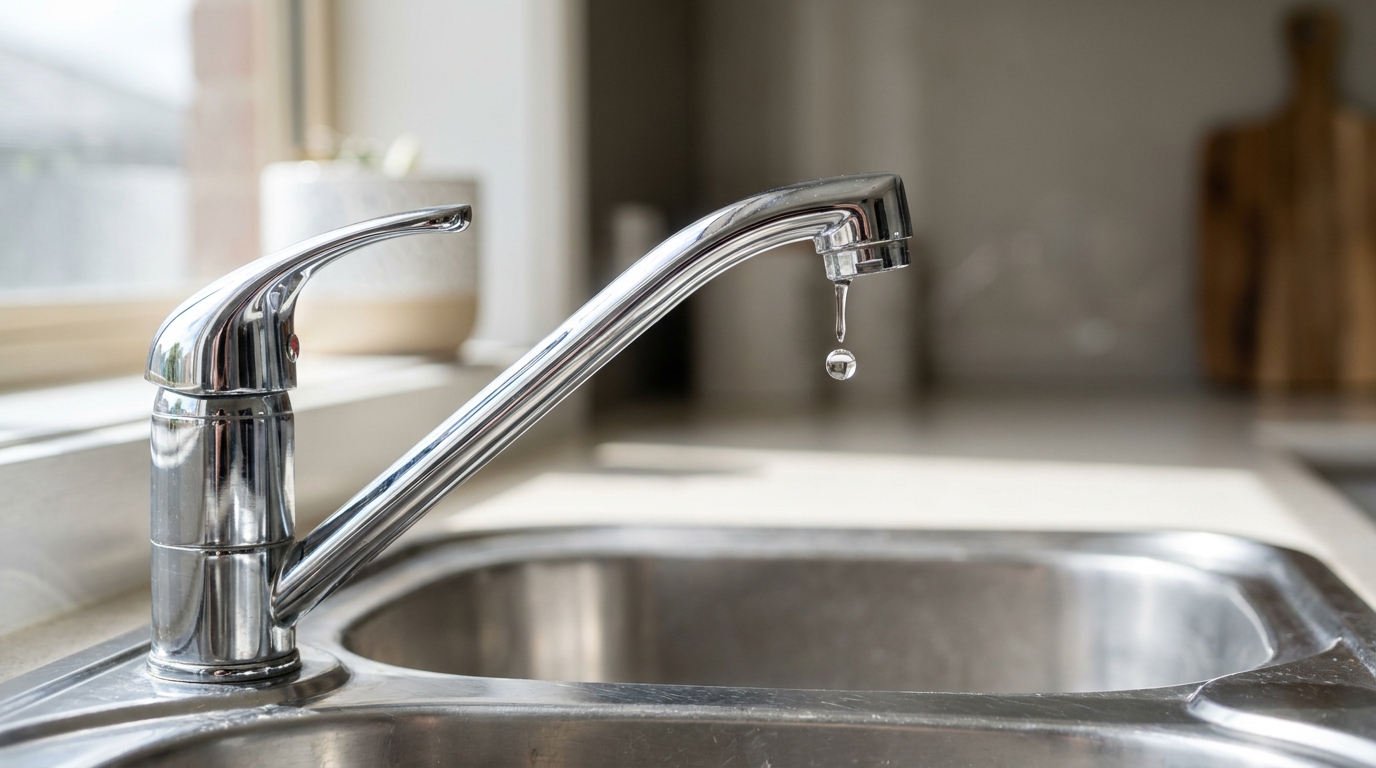
A tap that drips through the night is not just annoying. It is telling you that one specific part inside has failed, and that part is usually either a washer or a valve.
Most people replace the washer first because it is the cheapest fix. Sometimes that works. Often it does not, because the washer was never the problem.
The good news is that a leaking tap gives you clear clues. Where the water escapes tells you which component has worn out. This guide from Victory Plumbing Hobart shows you how to read those clues before you pick up a spanner.
First, work out which type of tap you have
Australian homes run two main tap designs, and they fail in completely different ways.
Compression taps use a rubber washer sitting on a small brass fitting called a jumper valve. You need a full turn or more to open them fully. Most older Hobart homes still have these on basins, laundry troughs and garden taps.
Mixer taps use a ceramic disc cartridge instead of a washer. One lever controls hot, cold and flow, and they open with a quarter turn or less. These are standard in newer builds and renovated kitchens.
Try this quick test. Turn the tap from off to full flow. If it takes several rotations, it is a compression tap. If it snaps open in a quarter turn, it is a ceramic disc.
Knowing the answer narrows your diagnosis immediately, because a compression tap does not have a cartridge and a mixer tap does not have a washer.
Where the water escapes tells you what failed
This is the part most guides skip. Watch the tap while it drips and note the exact exit point.
Dripping from the spout when the tap is off
This is a seal failure. Water is getting past the part that is meant to close off the flow.
On a compression tap, the rubber washer on the jumper valve has hardened, split or worn flat. On a mixer tap, the ceramic discs inside the cartridge are chipped, or grit is caught between them.
Spout drips are the most common leak, and the most likely to be a genuine washer or cartridge fault.
Water seeping out from under the handle
The washer is fine. The problem is an O-ring, the small rubber ring that seals the spindle where it passes through the tap body.
You will usually notice this one when you turn the tap on, because the seepage appears with pressure and stops when the tap is off. Replacing the washer here achieves nothing.
Water pooling around the base of the spout
On a swivel mixer tap, the spout O-ring at the base has perished. Water escapes around the body rather than out the end.
Again, this is not a washer fault. The seal that has failed sits in a different place entirely.
Still dripping after a new washer
This one catches people out, and it points to the valve seat.
The valve seat is the machined brass surface inside the tap body that the washer presses against. Years of grit and mineral build-up can score it, leaving fine channels that a new washer cannot seal against.
A scored seat needs to be recut with a reseating tool, or fitted with a seat insert. Fitting washer after washer to a damaged seat just chews through washers.
If you have replaced a washer and the drip returned within weeks, stop replacing washers. The seat is the problem.
Why the diagnosis matters in older Hobart homes
Hobart's housing stock skews old, and that changes the odds.
Weatherboard cottages and mid-century brick homes across the city often still run their original compression tapware. Decades of service means the valve seats are frequently as worn as the washers, so a washer-only repair fails quickly.
Older homes also tend to have fewer isolation valves under the sink, which means shutting off the mains before any work. That is worth knowing before you start pulling a tap apart on a Sunday afternoon.
If your home is pre-1980s, it is worth reading about the other plumbing quirks common in older Hobart homes while you are at it, because tapware is rarely the only thing showing its age.
What a drip actually costs
A tap leaking at the rate of one drip a second wastes more than 12,000 litres of water a year, according to the Australian Government's YourHome guidance.
That is water you are paying for, running straight down the drain. A slow drip also stains basins and, where it seeps rather than drips, can quietly damage the cabinetry underneath.
There is a second cost that is easy to miss. Overtightening a tap to stop a drip wears the washer faster and can damage the seat, which turns a small repair into a bigger one.
Can you fix it yourself in Tasmania?
Mostly yes, within limits.
Under the Occupational Licensing (Plumbing Exemptions) Order 2015, the repair or replacement of tap washers and other minor tap repairs by the owner of a dwelling is exempt from the requirement to hold a plumbing licence. Consumer, Building and Occupational Services lists changing a tap washer as very minor work an owner may perform.
Note that the exemption is written around the owner of the dwelling. If you are a tenant or managing a rental, the repair is generally the owner's or agent's responsibility rather than something to take on yourself.
Anything beyond a washer or O-ring swap, including pipework changes or replacing the tap body, is licensed plumbing work in Tasmania.
Once you have the diagnosis, our step-by-step guide to fixing a leaking tap walks through the actual repair.
When to call a licensed plumber
Some symptoms are worth handing over rather than persisting with:
- You cannot isolate the water, or the isolation valve itself is seized or weeping
- The drip returns quickly after a correctly fitted new washer, which points to a scored valve seat
- The tap body is cracked, heavily corroded, or the threads are stripped
- The spindle turns but the flow does not change
- The leak is inside a wall, under a floor or behind a cabinet
- Several taps have started dripping at once
That last one is worth a mention. If multiple taps fail around the same time, the tapware may be the symptom rather than the cause, and a pressure limiting valve may need checking.
Victory Plumbing Hobart handles this sort of work as part of our residential plumbing services across Greater Hobart. We can confirm what has actually failed rather than replacing parts on a guess, and any quote follows an inspection.
Frequently asked questions
Is the tap valve the same as the tap washer?
No, though the terms get used loosely. The jumper valve is the brass fitting that moves up and down inside the tap. The washer is the rubber disc on the bottom of it that forms the seal. On most compression taps you replace them together as a unit.
Why does my tap drip only sometimes?
Intermittent drips usually mean a marginal seal rather than a failed one. A washer that has hardened may seal when the tap is turned off firmly, but weep when it is closed gently. It is an early warning, not a false alarm.
Can grit alone cause a leak?
Yes. A single piece of grit caught between ceramic discs or under a washer will hold the seal open. Cleaning the cartridge or the seat sometimes resolves a drip without any new parts.
Do I need to replace the whole mixer tap?
Not usually. Most mixer taps take a replacement cartridge, though sizes and fittings vary by brand and model, so the correct part matters. If the body is corroded or the threads are worn, replacing the tap is the more sensible option.
How long should a tap washer last?
There is no fixed lifespan. Water quality, pressure and how firmly the tap gets turned off all affect it. Stiffness or squeaking when you turn the tap is a common early sign that the washer is on its way out.