Why Home Buyers Need a Residential Plumbing Inspection in Hobart
Buying a house in Hobart usually means a building inspection, a pest inspection and a great deal of paperwork. What surprises most buyers is how little of it tells them anything about the plumbing.
A standard pre-purchase building inspection is a visual, non-invasive assessment. The inspector looks at what can be safely reached and seen, notes it, and moves on. The pipes that cause the most expensive problems are the ones nobody can see.
Victory Plumbing Hobart is regularly called to homes where the new owners found a serious plumbing fault weeks after settlement. Here is what a residential plumbing inspection actually covers, what it tends to turn up in Hobart properties, and when it is worth booking one.
What a Building Inspection Will Not Tell You About the Plumbing
Most pre-purchase building inspections in Australia are carried out to Australian Standard AS 4349.1. It is a visual assessment, and it is deliberately limited in scope.
Under that standard, the inspector does not operate or test the services. They do not open walls, lift floors or access concealed pipework, and they are not required to assess whether the roof drainage system is adequate for the building.
Many Tasmanian inspectors state it plainly in their own terms of engagement: plumbing and electrical systems are not tested or certified as part of a standard building inspection. Visible defects may get a mention, but that is a comment, not an assessment.
So a clean building report is not a clean bill of health for the plumbing. It means nothing obviously wrong was visible on the day.
What a Residential Plumbing Inspection Actually Covers
A plumbing inspection is carried out by a licensed plumber, and the difference is that things get tested rather than simply looked at.
The scope varies between providers, so it is worth confirming what is included before you book. As a guide, a thorough inspection of a typical Hobart home covers the following.
Water supply and pressure
The plumber checks pressure at several outlets and assesses the material and condition of the supply pipes. Uneven pressure between fixtures is often the first sign that old galvanised steel pipe is corroding from the inside out.
Flow that has quietly faded over years is easy for an owner to normalise. A plumber comparing outlets against each other picks it up quickly.
Drains and sewer lines
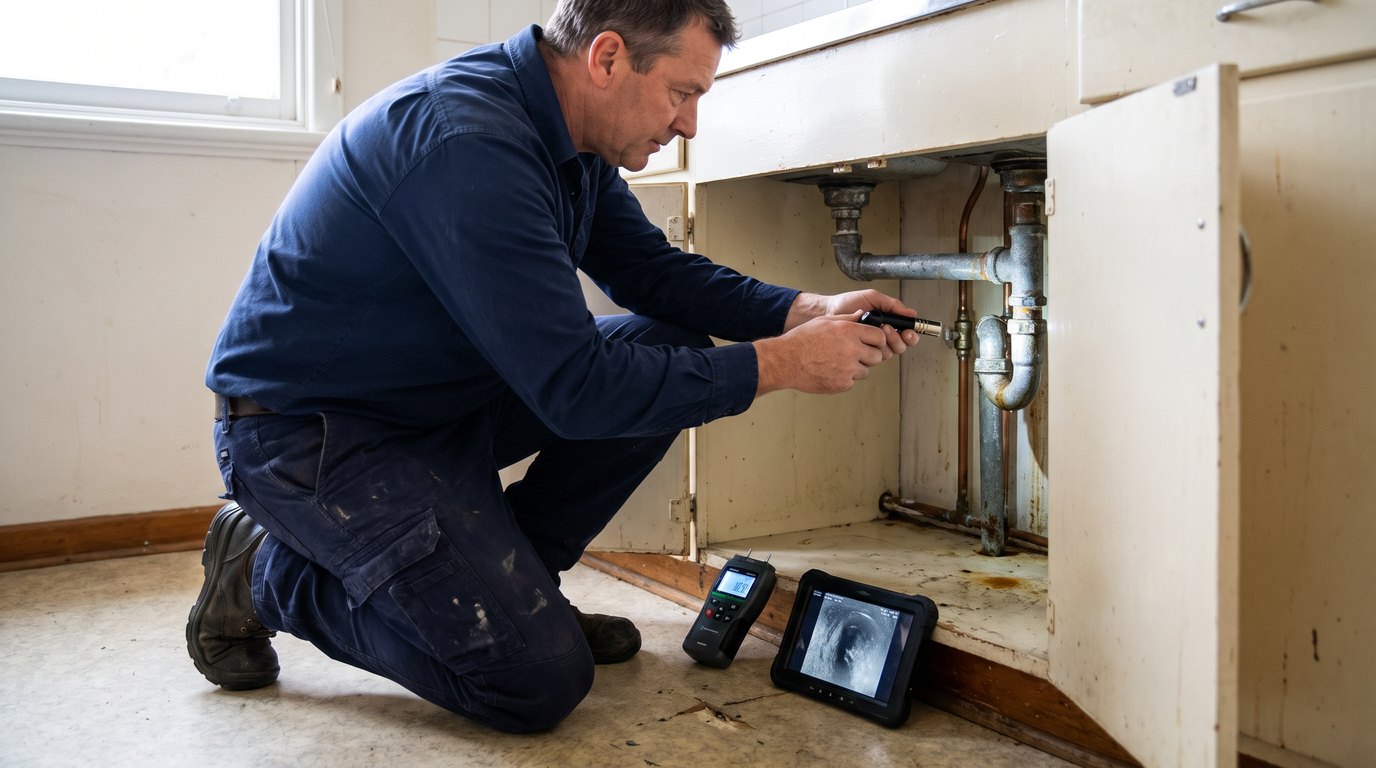
This is where a CCTV drain camera earns its keep. Running a camera through the sewer and stormwater lines reveals cracks, sags, root intrusion and partially collapsed sections that are completely invisible from above ground.
It is also the only reliable way to tell the difference between a one-off blockage and a line that is failing and will need replacing.
The hot water system
The plumber checks the age and condition of the unit, corrosion around the base and fittings, the pressure and temperature relief valve, and whether the tempering valve is working as it should.
Hot water systems have a finite service life, and replacing one unexpectedly is one of the more expensive surprises a new owner can inherit.
Roof plumbing and stormwater
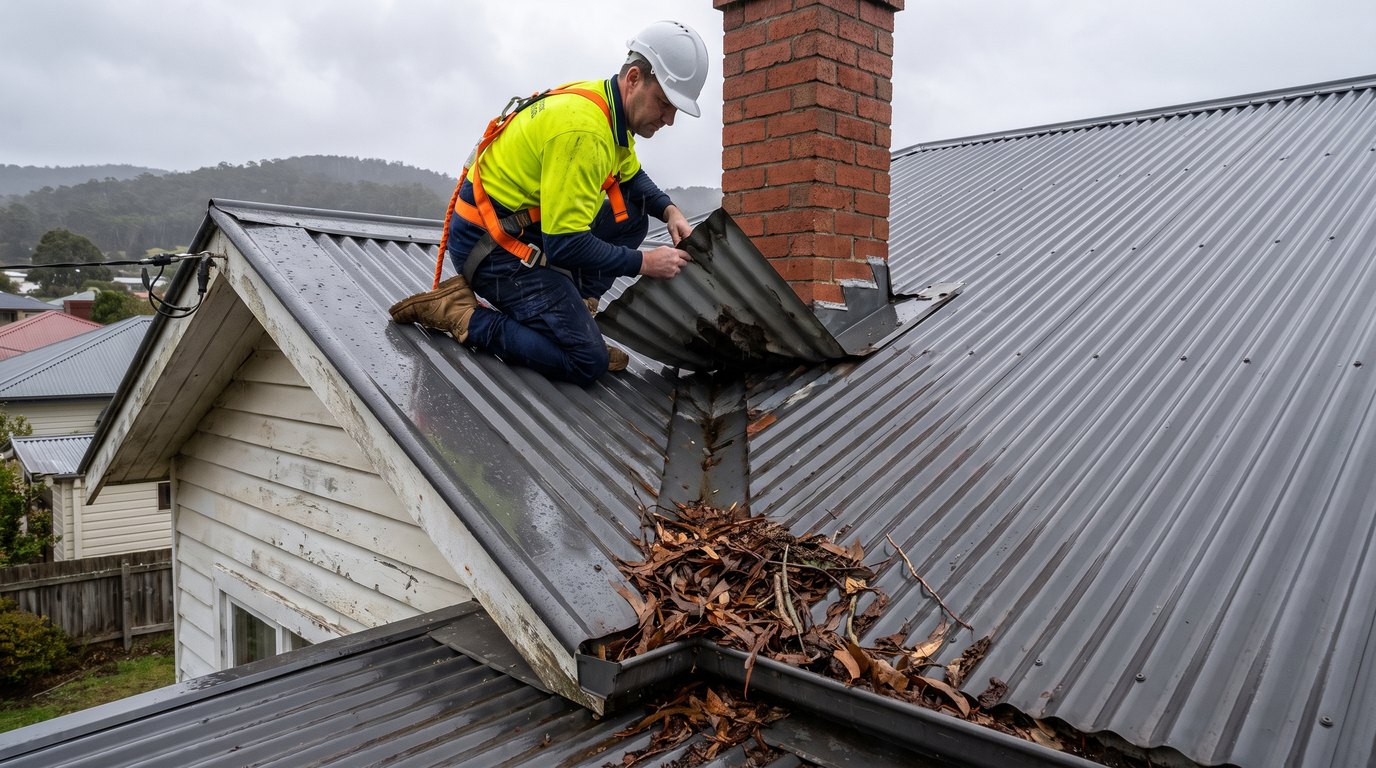
Gutters, downpipes, flashings and, importantly, where the stormwater actually discharges. Poor stormwater drainage is a slow and costly problem that shows up later as damp walls, rotting timber and undermined footings.
Given how much rain Hobart properties shed over a winter, this part of the inspection matters more than it sounds.
Wet areas and visible leaks
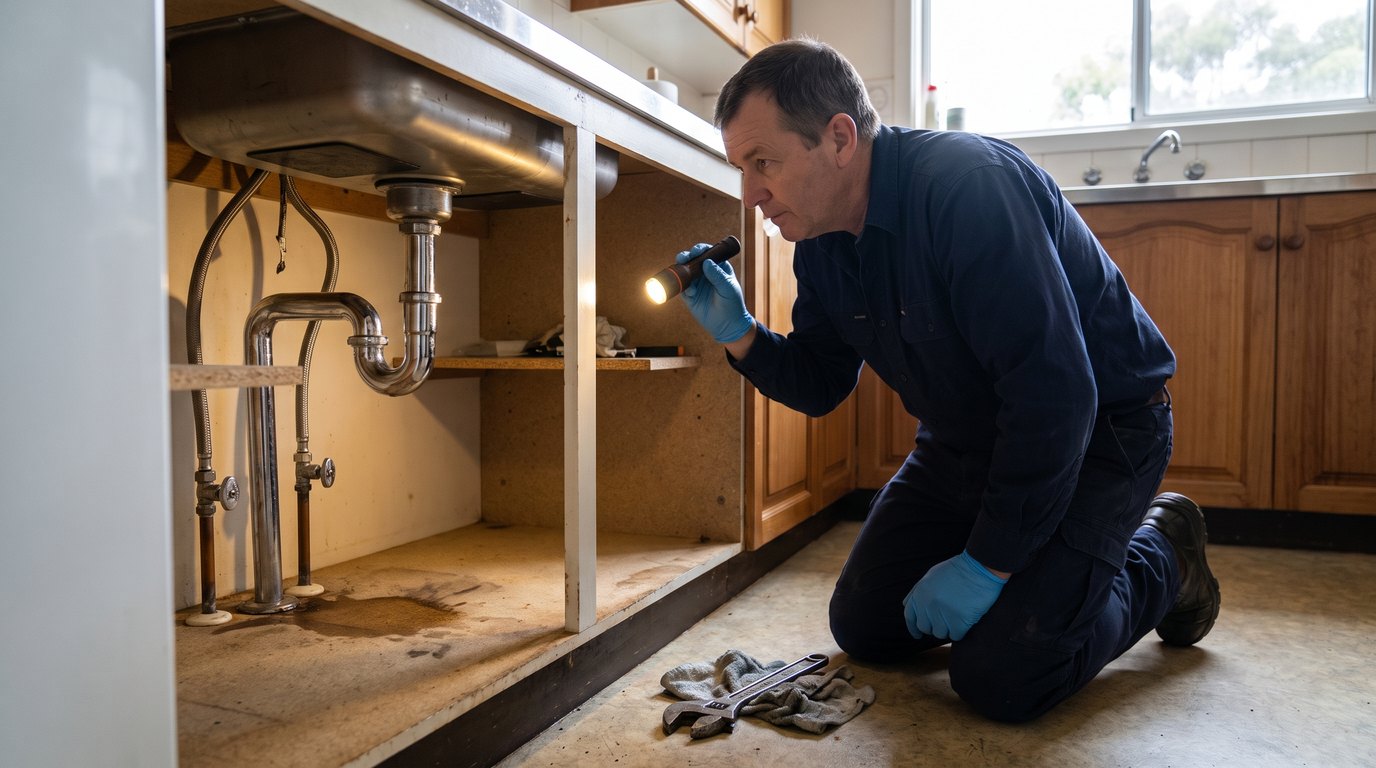
Under sinks, around the base of toilets, through the laundry and at every tap and mixer. A slow drip is cheap to deal with early and considerably less so once it has been running behind a vanity for a year.
Fixing a leaking tap yourself is often straightforward, but a tap that keeps returning usually points at something further back in the system.
The Problems We Find Most Often in Hobart Homes
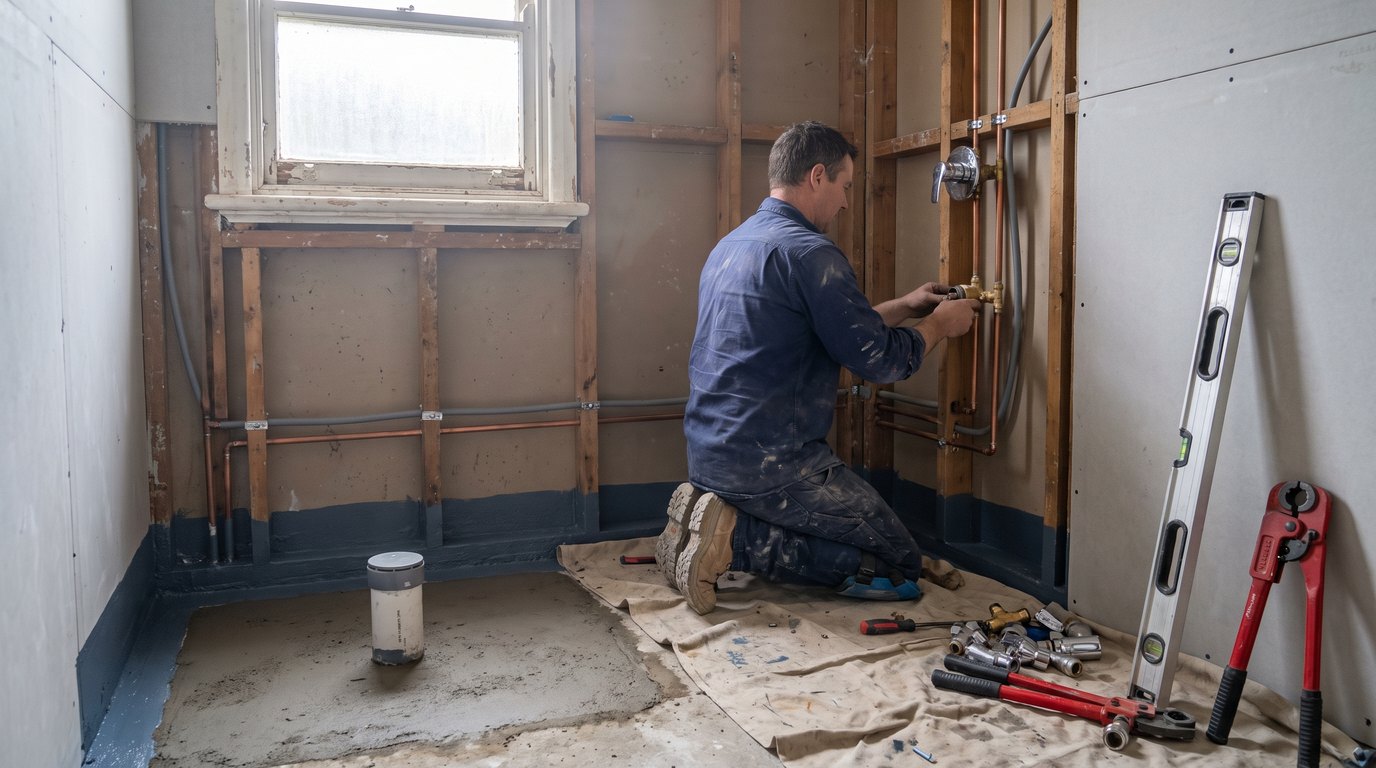
Hobart's housing stock skews old, and that shapes what turns up on an inspection. Many of the common plumbing problems in older Hobart homes are the same faults that catch buyers out.
Galvanised steel supply pipe is still in service in plenty of houses built before the 1970s. It rusts internally, restricts flow and discolours the water, and once it is badly corroded it needs replacing rather than patching.
Earthenware sewer pipe is the other frequent find. The joints shift over decades, tree roots follow the moisture in, and a line that has been quietly cracking for years blocks properly the week after you move in.
Cold matters here too. Pipework running through an unheated subfloor or an uninsulated wall cavity takes a beating over a Tasmanian winter, and burst pipes cluster around the first hard frost of the season.
Then there are the renovations. Heritage cottages and older bungalows have often been altered repeatedly, sometimes by people who were not licensed to do the work. Undersized pipe, improvised connections and waste lines that do not fall correctly are all common discoveries.
When to Book One
The useful window is before you are contractually committed, or inside whatever inspection period your contract allows.
A building inspection is not a legal requirement for a residential purchase in Tasmania. What conditions sit in your contract, and how long you have to act on them, is something to work through with your conveyancer.
If your offer is subject to inspection, book the plumbing inspection alongside the building and pest inspection so all the reports land together. If the property is heading to auction, get it done before you bid, because there is no inspection clause to fall back on afterwards.
Older homes, properties with mature trees near the sewer line, and anything that has clearly been renovated are where an inspection pays for itself most often.
Investment purchases are worth a mention as well. If the property is going straight into a rental pool, plumbing faults become your responsibility to a tenant from day one, and finding them before settlement is far easier than managing them afterwards.
What You Should Get in the Report
A useful report is specific. Photographs, the location of each issue, what it means in practice, and a clear separation between what needs attention now and what simply needs watching.
Ask whether CCTV footage of the drains is included. For most properties that is the single most valuable part of the inspection, because it is the only view you will get of the part of the system that is most expensive to fix.
You should also get a plain answer on what is repairable and what needs replacing. That distinction is what you actually negotiate with.
No honest plumber will quote repairs without inspecting them properly, and we will not either. What the inspection gives you is a genuine picture of the property before you commit, rather than after.
If you would like a licensed plumber to look over a property you are considering, our residential plumbing services in Hobart cover pre-purchase inspections across Greater Hobart and the surrounding suburbs.
Frequently Asked Questions
Is a plumbing inspection the same as a building inspection?
No. A building inspection is a visual assessment of the structure and is carried out to AS 4349.1, which excludes testing the services. A plumbing inspection is carried out by a licensed plumber and involves testing fixtures, checking pressure and, where it is included, running a camera through the drains.
How long does a plumbing inspection take?
Most take an hour or two, depending on the size of the property and how accessible the plumbing is. Homes with a subfloor, multiple bathrooms or a long sewer run take longer.
Do I need one if the house is new?
It is less critical, but not pointless. New builds can still carry workmanship issues, and an inspection before the end of a builder's defect liability period is a sensible check while someone else is still responsible for putting things right.
Can I do the checks myself?
You can do some of them. Run the taps, flush every toilet, look under the sinks and check for damp patches or staining. What you cannot do is inspect the drains, test pressure properly or judge whether past work was done to standard. Aside from a short list of low risk tasks, plumbing work in Tasmania must be carried out by a licensed plumber, and assessing it properly takes the same training.
What happens if the inspection finds a problem?
It becomes information you can use. Depending on the conditions in your contract, you may be able to negotiate on price, ask for the work to be completed before settlement, or decide the property is not worth the risk.